From observation to intervention
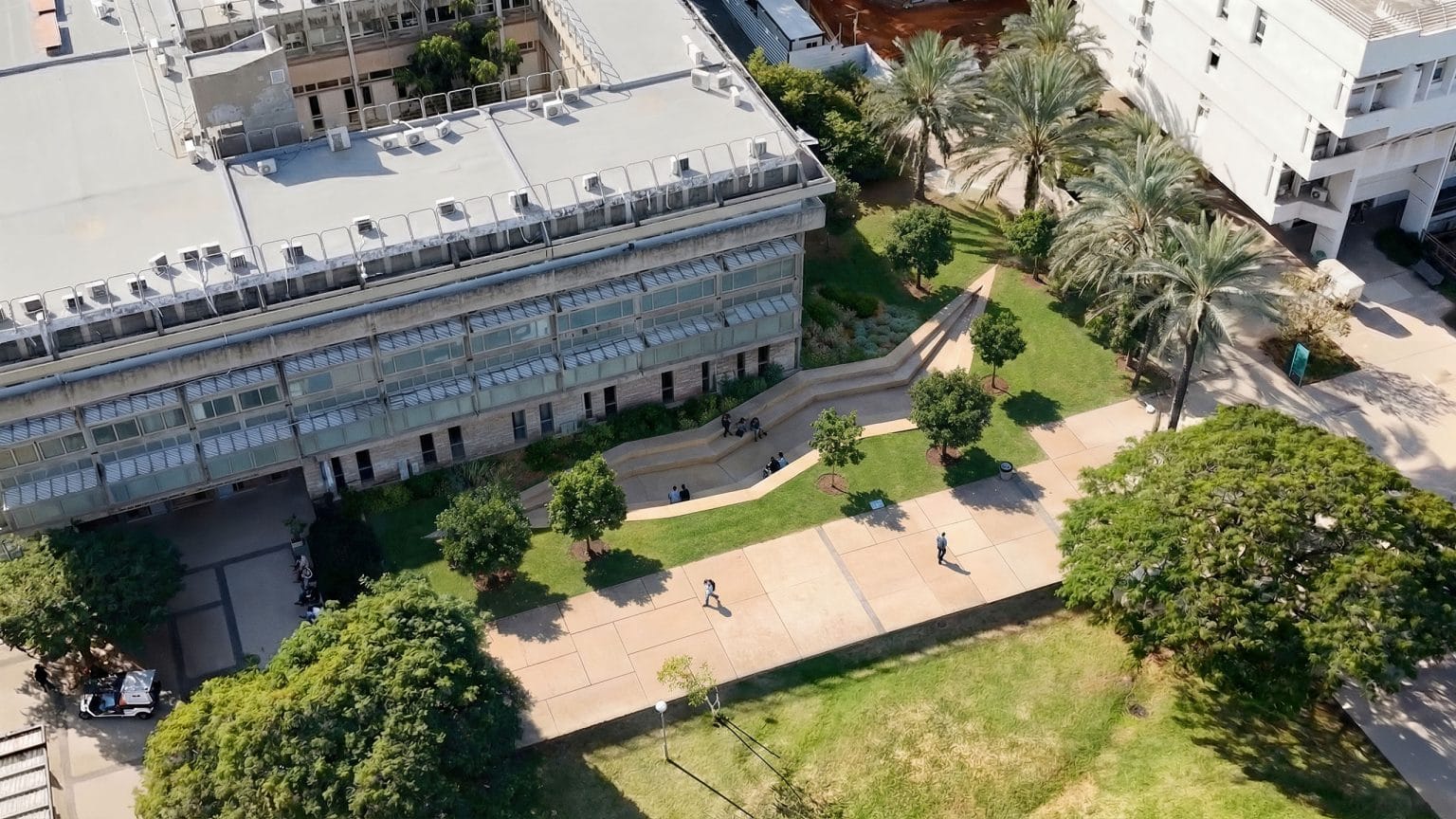
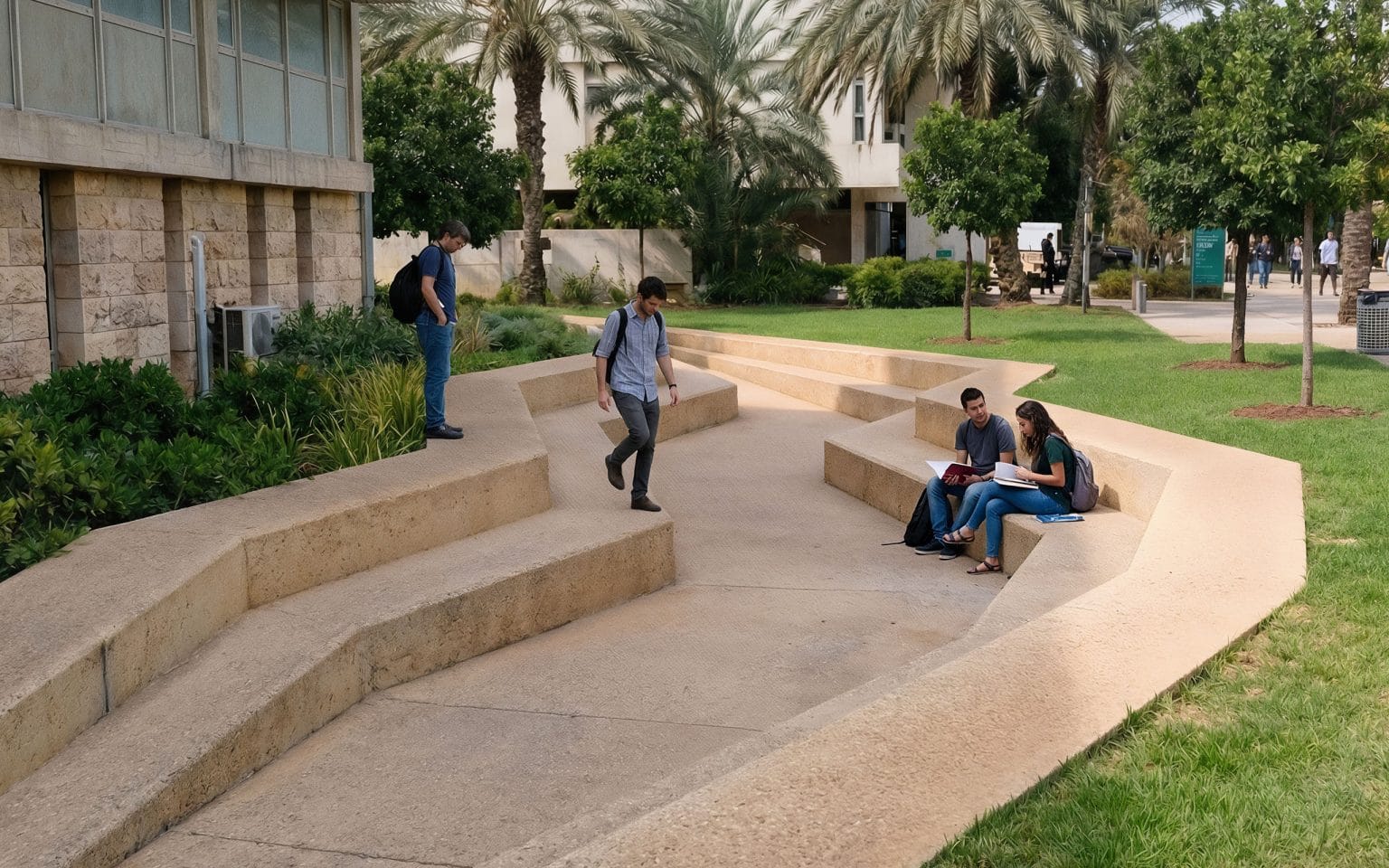
The project was developed through an extended process of observation, watching how people move through space, where they stop, where they wait, and how public ground absorbs human presence over time.
This approach shaped a minimal intervention in the landscape:
a precise cut in the ground that reveals rather than adds.
A scar, not as a wound, but as a lasting mark that carries memory, embedded in the landscape without demanding attention.
This approach shaped a minimal intervention in the landscape:
a precise cut in the ground that reveals rather than adds.
A scar, not as a wound, but as a lasting mark that carries memory, embedded in the landscape without demanding attention.
Memory without instruction
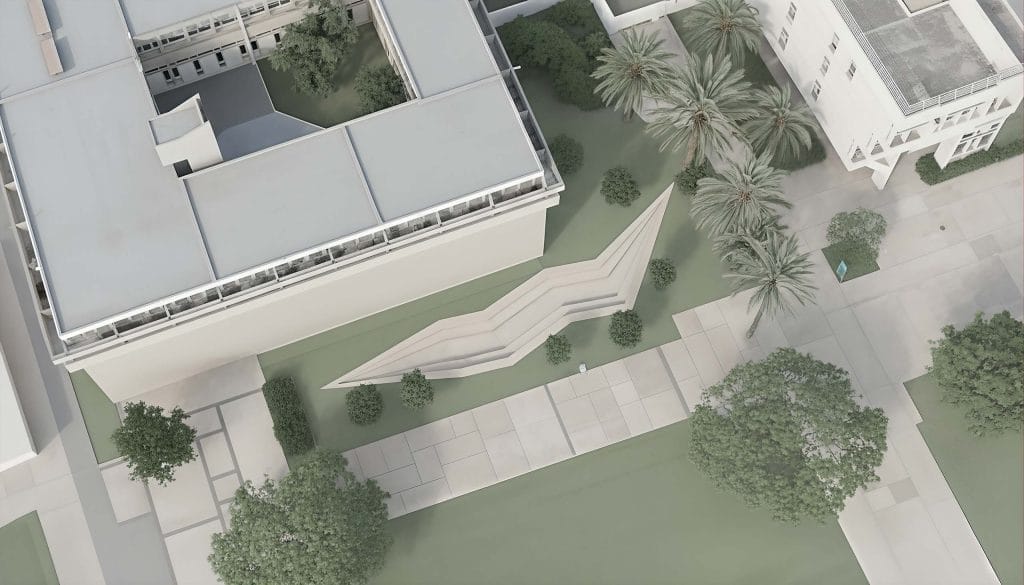
Unlike traditional memorials, The Scar does not attempt to explain, narrate, or frame a single story.
It avoids symbolism that demands interpretation or rituals that dictate behavior.
Instead, the space allows memory to remain personal and open-ended, shaped by the individual experiences, emotions, and reflections each visitor carries in the aftermath of October-7.
It avoids symbolism that demands interpretation or rituals that dictate behavior.
Instead, the space allows memory to remain personal and open-ended, shaped by the individual experiences, emotions, and reflections each visitor carries in the aftermath of October-7.
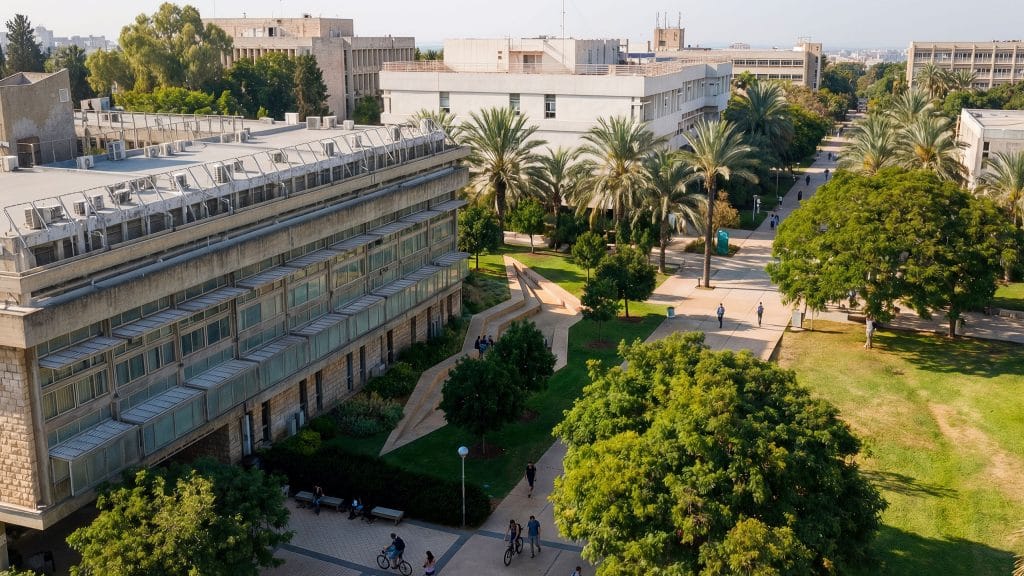
Integrated into the campus landscape
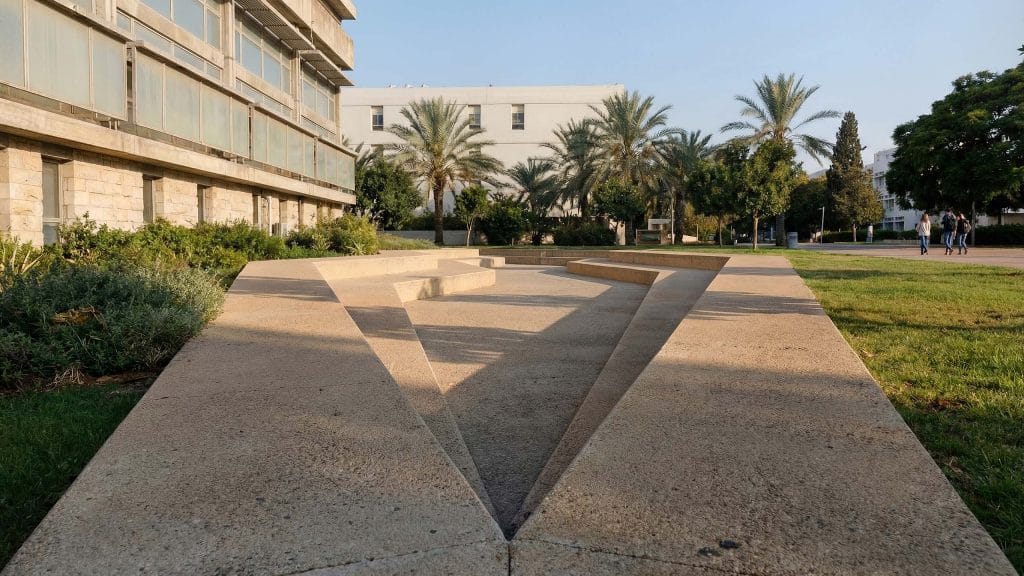
Formally, the intervention blends seamlessly into the existing campus fabric.
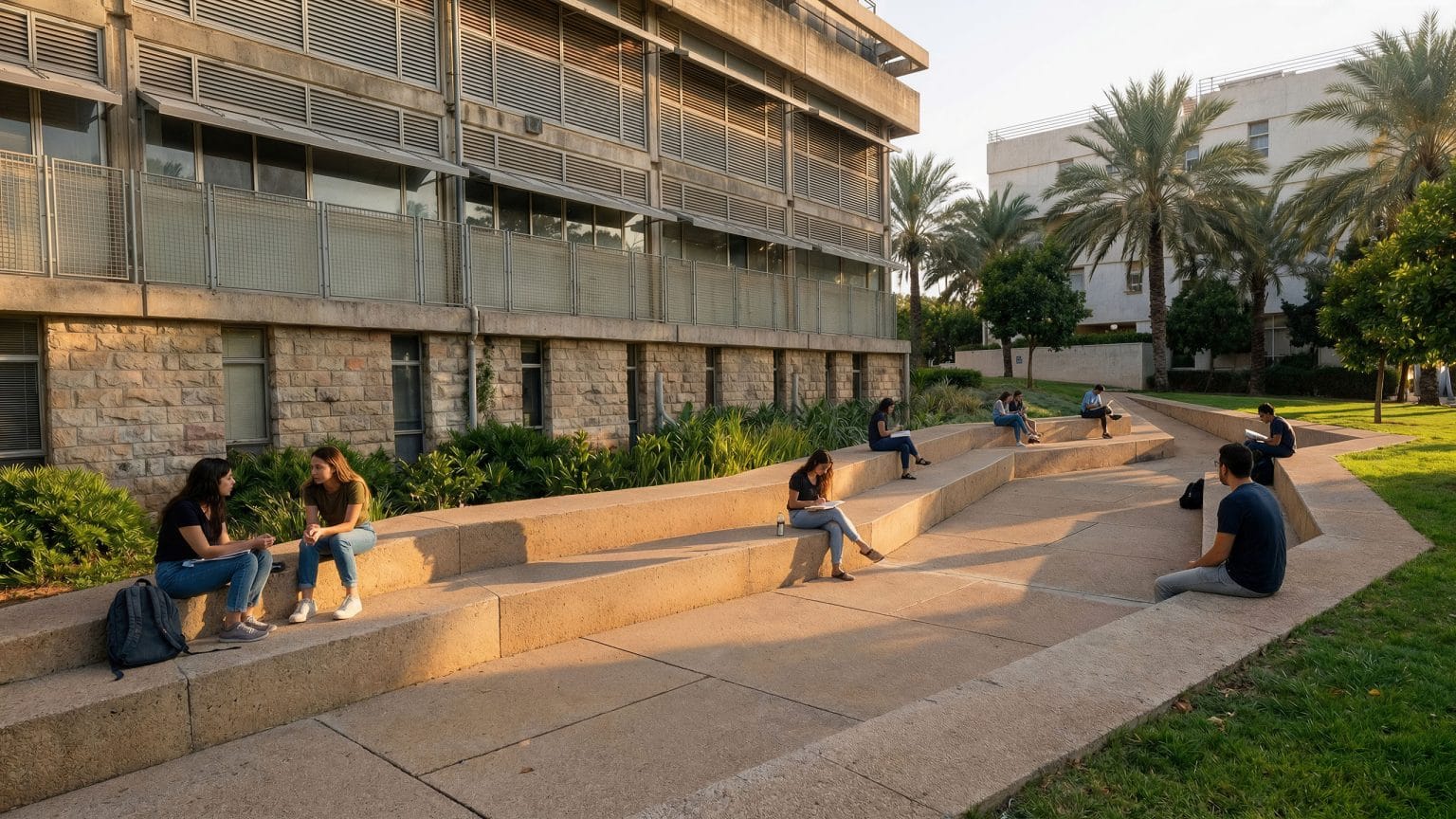
It functions simultaneously as passage, seating, gathering space, and contemplative ground.
Over time, the scar becomes part of daily life – walked across, sat upon, encountered incidentally.
Remembrance is not separated from routine, but embedded within it.
It functions simultaneously as passage, seating, gathering space, and contemplative ground.
Over time, the scar becomes part of daily life – walked across, sat upon, encountered incidentally.
Remembrance is not separated from routine, but embedded within it.
Recognition
The Scar was selected as a finalist in the Tel Aviv University memorial competition, dedicated to commemorating those who were murdered on October 7.